
Backyard Chicken Breeds Guide: Which Is Right for You
Compare backyard chicken breeds by egg color, egg output, temperament and space needs, with a breed-picker table and links to full guides for each type.
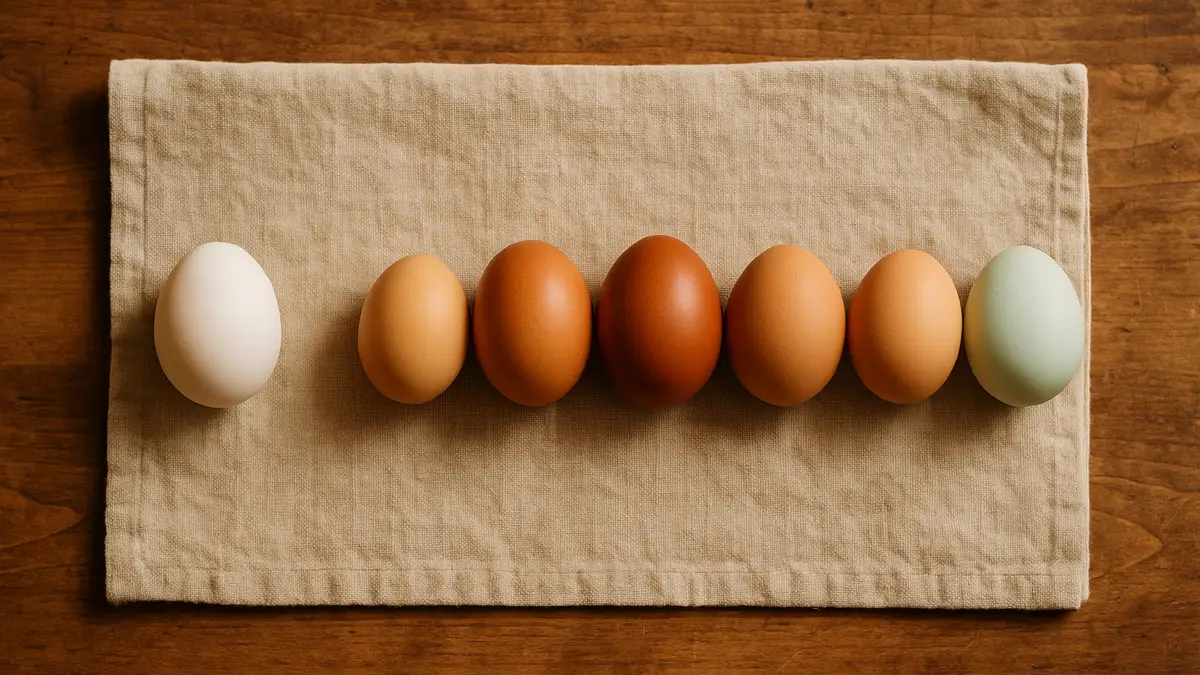
Picking a chicken breed by looks alone is how people end up with a rooster they didn’t want or a bird that goes broody every spring instead of laying. Start from what you actually want out of the flock, egg color, egg count, temperament, or a small footprint, and the right breed short-list falls out fast.
What do you actually want from your flock?
Most first-time keepers are optimizing for one of four things, and they pull in different directions. Maximum eggs favors production hybrids. Egg color variety favors Easter Eggers and Olive Eggers. A calm, kid-friendly pet favors Silkies or other bantams. A tight urban yard favors anything in the bantam class. Few breeds score high on all four, so rank your priority before you shop a hatchery list.
Egg-laying breeds, ranked by output
A production hybrid is a cross-bred layer bred specifically for consistent egg output rather than showring looks. These birds, Cinnamon Queen, Sapphire Gem, and similar sex-links, were built for exactly this and it shows in the numbers.
| Breed type | Eggs/week | Egg color | Best for |
|---|---|---|---|
| Cinnamon Queen / Sapphire hybrids | 5-6 | Brown | Maximum eggs, easy sexing as chicks |
| Speckled Sussex | ~4 | Light brown | Dual-purpose, cold-hardy |
| Easter Egger | 3-4 | Blue/green | Egg-basket color |
| Olive Egger | 3-4 | Olive/dark green | Deepest egg color |
| Jersey Giant | ~3 | Brown | Size, meat dual-purpose |
| Bantam breeds | 2-3 | Small, varies | Small yards, kids |
| Silkie | 2-3, often paused | Small cream | Broody hens, pets |
Full breed-by-breed pages: Easter Eggers, Olive Eggers, and the hybrid layer lineup covering Sapphire Gem, Mystic Onyx, Pearl Onyx, and more.
Space needs vary more than people expect
A backyard breed is not one size. Standard hens need 3-4 sq ft of inside coop space each; bantams need about half that, roughly 2 sq ft; giant breeds like Jersey Giants need closer to 4-5 sq ft. Mixing size classes in one flock means sizing the coop to the biggest bird, not the average. The full math, including run space and nest boxes, is in the coop size guide and its calculator.
Temperament: which breeds tolerate kids and confinement
Docile breeds are calmer under handling and confinement stress, which matters more than most buying guides admit. Silkies rank among the calmest chickens kept as pets, tolerant of handling and prone to going broody, which makes them natural incubators for hatching eggs from other breeds. Bantams generally run friendlier and quieter than standard-size birds, a real factor for anyone with close neighbors. Production hybrids are calm but not cuddly; they were bred for laying, not lap time. Heritage breeds like Speckled Sussex sit in between, alert and hardy without being flighty.
Heritage breeds worth a look
Heritage breeds trade some egg output for slower growth, better foraging instinct, and genetics that predate the hybrid-layer era. Speckled Sussex, Mottled Java, and the bare-necked Turken are covered together in the heritage breeds roundup, a good starting point for anyone prioritizing hardiness and dual-purpose usefulness over maximum egg count.
How long will this breed actually produce?
Every breed’s egg output drops off the same way: peak production runs the first 2-3 years, then declines gradually as the hen ages, with most backyard hens living 5-8 years and some reaching 10-12 with good care. Breed affects the rate more than the shape of the curve, hybrids peak higher and fall off a bit faster, heritage breeds peak lower but hold output longer. The full breed-by-breed lifespan comparison is in chicken lifespan and egg production.
Matching feed to breed and age
Whatever breed you land on, the feed schedule is the same shape: starter feed the first 8 weeks, grower feed through about 18 weeks, then a switch to layer feed once the first egg shows up. Giant breeds and slower-maturing heritage birds sometimes stay on grower a few weeks longer since they hit laying age later. The full age-by-age breakdown, including protein and calcium targets, is in chicken feed by age.
Where to buy: hatchery vs. feed store chick days
Two paths get you chicks: order from a hatchery (shipped as day-olds, widest breed selection, minimum order counts apply) or buy at a local feed store’s spring “chick days” event, typically running February through May when hatcheries ship their heaviest volume. Feed stores carry a narrower selection, usually production hybrids and a couple of common heritage breeds, but skip the shipping stress and minimum-order problem entirely, useful if you only want 3-4 birds and a hatchery’s 15-chick minimum for shipping warmth doesn’t fit. Rare or specific breeds, a particular Easter Egger line, a true Silkie, hybrid names like Sapphire Gem, usually mean ordering direct from a hatchery instead. Either way, buying inside the spring window means better stock availability and, often, healthier chicks than an off-season order squeezed into a hatchery’s slower production run.
Common first-flock breed mistakes
The most common mistake is buying for looks alone and skipping the space-and-output math until the coop is already built too small. A close second is assuming every bird in a “rainbow layer” or “Easter Egger” mixed-chick bin will lay a different color, some bins are mostly one or two genetic lines dressed up as variety. And a real mistake specific to city and suburban keepers: ordering straight-run (unsexed) chicks without a plan for what happens if half turn out to be roosters, most municipal codes ban roosters even where hens are allowed, so sexed pullet orders are worth the modest upcharge for anyone who can’t legally keep a rooster.
Building a mixed flock
Most established keepers end up with a mixed flock rather than a single breed: two or three production hybrids for the egg basket, an Easter Egger or Olive Egger for color, maybe a Silkie for temperament and broodiness. Mixing breeds works fine in one coop as long as you size the space for your largest bird and expect a small pecking-order adjustment period when new breeds join. Start with the priority list from the top of this guide, pick one or two breeds that hit it, and expand the flock from there once you know what you actually enjoy keeping.
Frequently asked questions
Quick answers to what keepers ask us most
What is the best chicken breed for beginners?
A production hybrid like a Sapphire Gem or Cinnamon Queen is the easiest start: calm, cold-hardy, and laying 5-6 eggs a week within the first year with few surprises.
Which chicken breed lays the most eggs?
Sapphire Gem, Cinnamon Queen, and other sex-link hybrids top the list at roughly 5-6 eggs a week, ahead of heritage breeds that typically land at 3-4.
What chicken breed lays colored eggs?
Easter Eggers lay blue, green, or olive eggs from a single unpredictable gene. Pair one with a brown-egg breed like Olive Eggers or a Marans-cross for a full color basket.
Do all chicken breeds need the same size coop?
No. Bantams need roughly half the inside space of a standard bird, while giant breeds like Jersey Giants need about 25% more. Run the numbers for your exact flock in the coop size calculator.